If you have been searching for office space in Tucson, Arizona, you have likely encountered the term “tenant improvements” at some point in the leasing process. These are the physical modifications made to a commercial space to prepare it for a specific tenant’s use, and they represent one of the most consequential yet often misunderstood elements of office lease negotiations. In Pima County, office space decisions often hinge on how these improvements are structured, funded, and repaid. Understanding the real financial mechanics behind tenant improvements can mean the difference between a favorable lease and one that costs your business significantly more than anticipated.
What Tenant Improvements Actually Are (and Who Pays for Them)
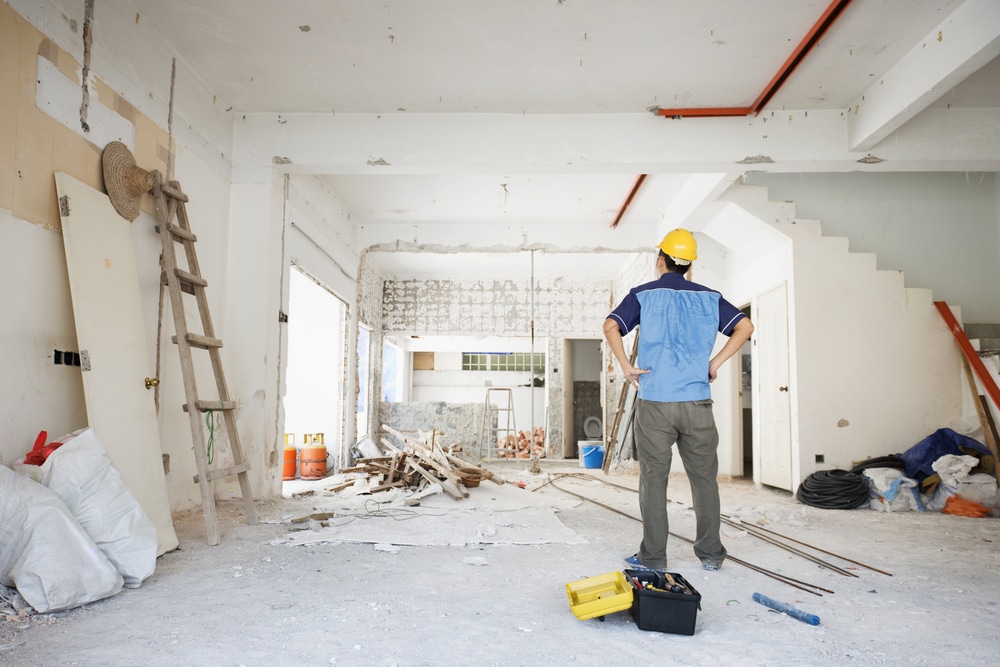
Tenant improvements, sometimes referred to as a TI allowance, are the buildout costs associated with transforming a raw or previously occupied space into a functional office environment. This can include everything from installing new flooring and partition walls to upgrading HVAC systems, adding electrical outlets, or redesigning the layout to fit a company’s workflow.
In the Tucson office market, landlords typically offer a TI allowance expressed as a dollar amount per square foot. This figure represents how much the landlord is willing to contribute toward the buildout. The question most tenants fail to ask upfront is a simple but critical one: what happens when the actual construction costs exceed that allowance?
The answer, more often than not, is that the excess costs get folded back into the economics of your lease. In commercial real estate in Tucson, AZ, landlords rarely absorb costs beyond the agreed TI allowance out of generosity. Instead, those costs may be recouped through higher base rent, reduced concessions elsewhere in the deal, or extended lease terms with escalating rent structures.
The Hidden Relationship Between TI Allowances and Base Rent
Here is where many tenants in the Tucson office market get surprised. A generous TI allowance does not mean free money. It is more accurately described as a loan from the landlord, embedded within the lease structure and repaid through the rent you pay over time.
When a landlord offers a large TI allowance, they are essentially financing your buildout and recovering that investment through your monthly rent payments over the life of the lease. This is why two office leases in Pima County, office space with identical asking rents may carry very different true costs depending on the TI structure behind each one.
In office lease negotiations, sophisticated tenants and their brokers analyze the amortized cost of the TI allowance over the full lease term. A $50-per-square-foot TI allowance on a 5,000-square-foot space amounts to $250,000. If that cost is amortized at a 7 percent interest rate over a 5-year lease, it translates to an additional $4.95 per square foot per year in effective rent, even if the base rent number on paper looks competitive.
How Tucson’s Market Conditions Shape TI Negotiations
The Tucson office market has its own distinct dynamics compared to larger metros, and those dynamics directly influence what tenants can realistically negotiate. Vacancy rates, local construction costs, and landlord leverage all factor into what kind of TI package a tenant can secure.
In periods of higher vacancy, landlords in the Tucson, Arizona market tend to offer more competitive TI packages to attract and retain tenants. Conversely, when the market tightens, TI allowances often shrink, and tenants may find themselves funding a larger share of buildout costs out of pocket. Understanding where the market currently sits is a foundational step in any office lease negotiation strategy.
Local construction costs in Tucson also matter enormously. The cost of labor and materials in Southern Arizona can differ from national averages, and this affects how far a given TI allowance actually stretches. A $40-per-square-foot allowance may be more than sufficient for a straightforward office buildout, or it may fall considerably short if you require extensive electrical upgrades, high-end finishes, or specialized infrastructure for technology-intensive operations.
Working with a commercial real estate broker who is deeply familiar with commercial real estate in Tucson, AZ is not just helpful; it is often essential to negotiating terms that reflect current local market realities rather than outdated benchmarks.
Structuring Tenant Improvements to Protect Your Business
One of the most effective strategies in office lease negotiations is negotiating the structure of tenant improvements, not just the dollar amount. How the allowance is disbursed, who controls the buildout process, and what happens to any unused TI funds are all negotiable points that can have significant financial consequences.
For example, tenants who negotiate the right to manage their own buildout (rather than having the landlord oversee construction) often gain more control over costs and quality. This approach, sometimes called a “tenant-controlled buildout,” requires more administrative involvement but can result in cost savings that effectively extend the value of the TI allowance.
Another important consideration in Pima County, office space transactions is the treatment of unused TI funds. If your buildout comes in under budget, will the remaining allowance be applied to rent reduction, returned to you, or forfeited? The answer varies by lease, and tenants who do not address this point upfront may lose out on meaningful savings.
In some cases, tenants negotiate for an “above-standard TI allowance” in exchange for accepting a slightly higher base rent, which can be advantageous for companies that need extensive customization but prefer to preserve cash flow rather than fund construction costs directly.
Long-Term Rent Impact and What to Watch for at Renewal
Tenant improvements can continue to affect your rent well beyond the initial lease term. When a lease comes up for renewal in the Tucson office market, both parties must decide how to address the existing buildout. If the improvements are still in good condition and suit the tenant’s ongoing needs, the renewal conversation may be relatively straightforward. But if a new buildout is required, the entire TI negotiation process begins again, often under different market conditions and with a different landlord leverage position.
Tenants should also be aware of restoration clauses, which are provisions requiring the tenant to return the space to its original condition at the end of the lease. In commercial real estate in Tucson, AZ, these clauses can result in significant unexpected costs if not addressed during the original lease negotiation. Negotiating to limit or eliminate restoration obligations for standard tenant improvements is a common goal in office lease negotiations, and one that experienced tenants pursue proactively.
Additionally, as leases approach expiration, landlords may offer new TI packages as an incentive to renew. These renewal TI allowances are often smaller than original buildout packages, but they represent a real financial benefit that should be factored into any decision about whether to stay or relocate.
Conclusion
Tenant improvements are far more than a line item in a lease proposal. They are a financial instrument that shapes your effective rent, your cash flow, and your long-term occupancy costs in ways that are not always visible on the surface. In Tucson’s competitive office market, where Pima County, office space options range from Class A towers to suburban professional parks, understanding how TI allowances work is a genuine competitive advantage for tenants.
The most successful office lease negotiations are those where tenants enter the process with a clear understanding of how buildout costs are structured, how they affect base rent, and how to negotiate terms that protect their financial interests over the full lease term. If you are evaluating commercial real estate in Tucson, AZ, taking the time to analyze the true economics of your TI package is one of the most valuable steps you can take before signing on the dotted line.
Share your experiences on working with Commercial Real Estate Group of Tucson.